


Your Brain's Best friend

Today let's talk about something that’s helped me and the people I coach make real progress...neuroplasticity. I know big word. But it’s actually one of the most hopeful things you can learn about your brain, especially after an injury.
So, what is neuroplasticity
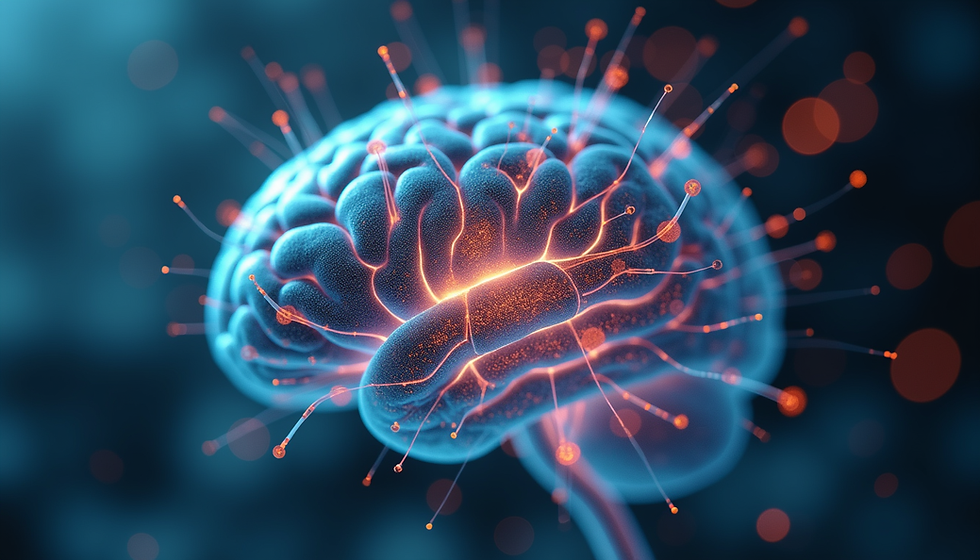
Your brain is kind of like a city, the roads represent your habits, thoughts and actions. Neuroplasticity is your brain’s ability to build new roads when the old ones are blocked or when you just want to go somewhere new. It is how we form new habits, heal from trauma or learn to do things differently after a brain injury. A while back scientists used to think that once the brain was injured that was it. No fixing it. No rerouting. But now we know that’s not true. The brain is always changing even after it is done forming and we can help guide that change. That’s neuroplasticity.
Why does this matter after a brain injury?
After a TBI some parts of the brain just don’t work the same. But here’s the good news, other parts can step up. I’ve seen it in myself and in my clients and in my own journey. It doesn’t mean it’s easy, but it is possible. With repetition, patience and the right strategies we can literally teach our brains new ways to function. This is why I get so fired up about small wins. Every time you do something positive, no matter how small, your brain takes note. It starts building that new road. It starts to rewire.
So how do you boost neuroplasticity?
Let me break it down in a way that’s doable:
Do the thing again and again. Repetition builds the road. If you want to remember names better practice it daily. Want to manage emotions better? Use the techniques every time even when it’s hard. That’s how the brain learns. Like a muscle you need to work it out.
Get uncomfortable (a little).Challenge your brain. Do puzzles. Take a different route to work. Learn something new. Your brain grows through novelty.
Move your body. Walk. Stretch. Dance in your kitchen. Movement isn’t just good for your body, it helps your brain grow new connections too.
Slow down with intention. Breathing, meditation and being present strengthen the part of your brain that helps with focus and emotional control. I have seen clients go from feeling overwhelmed all day to finding moments of peace just from breathwork.
Eat like you care about your brain.Omega-3s, water, leafy greens and healthy fats give your brain the fuel it needs to change. Junk in, junk out. Your body doesn't naturally make Omega 3, so do your research.
Get your sleep .I know it’s hard sometimes but sleep is when your brain gets to clean up and lock in all the progress you made during the day. Don’t skip it and if you are having trouble sleeping, set up a schedule, create a routine and step away from screens at least 30mins prior to bed.
Keep the faith. You might not see change overnight but that doesn’t mean it’s not happening. The brain changes slowly, kind of like building muscle. Trust the process.
You are not stuck. You are not broken. You’re rebuilding.
Neuroplasticity is happening all the time whether we use it to heal, grow or stay stuck is up to us. So keep practicing the good stuff. Keep showing up. And when it feels hard, remind yourself: your brain is listening.



Comments